The Problem with Steel Rebar in Water Tanks
Steel reinforcement is the default — but inside an underground water tank, it works against you from day one.
- Constant moisture means constant corrosion. Rust expands inside the concrete, causing cracks and structural failure from within.
- Groundwater chemicals accelerate the deterioration. Chlorides and sulphates in soil attack steel rapidly in underground conditions.
- Water contamination: corroding steel leaches rust into stored water, making it unsafe for drinking or irrigation use.
- Hidden damage: underground tank failure is invisible until it's severe. By the time cracks appear, the structure is already compromised.
- Repair costs are extreme. Fixing a failed underground water storage tank means full excavation, demolition, and reconstruction — not a patch job.
What Is GFRP Rebar?
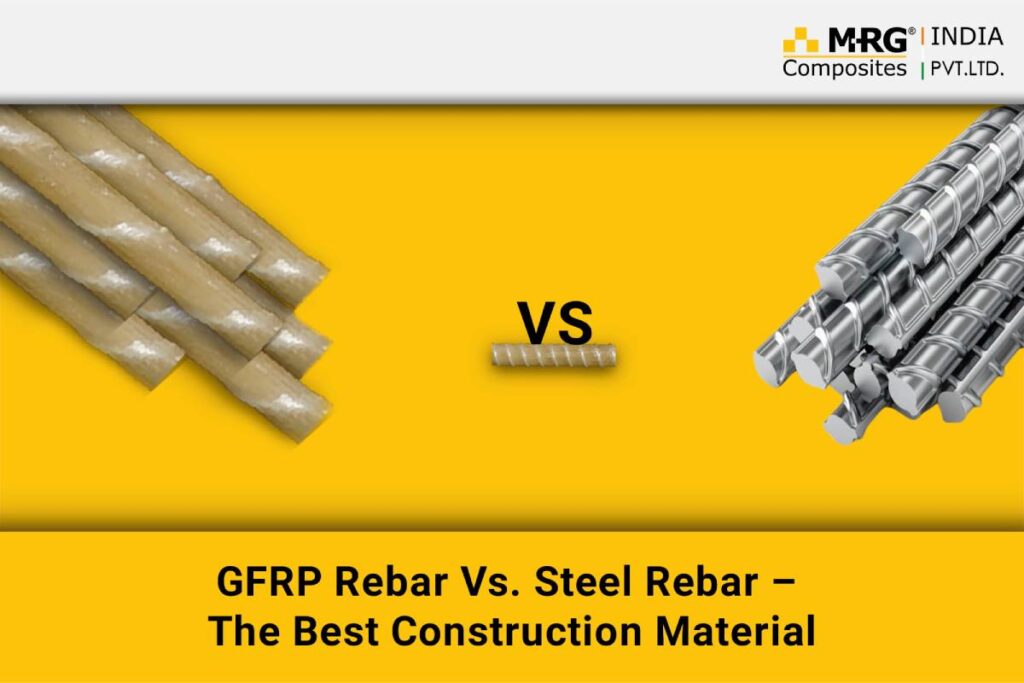
GFRP — glass fiber reinforced polymer — is a composite rebar made from high-strength glass fibers set in a polymer resin matrix. GFRP bars come in standard diameters, are installed exactly like steel rebar, and are BIS certified for use in construction in India.
MRG Composites is India's first BIS license holder for GFRP bars and an ISO 9001:2015 certified GFRP rebar manufacturer in India. This is a proven, certified construction material — not an experimental product.
Why GFRP is Specifically Suited for Underground Water Tanks
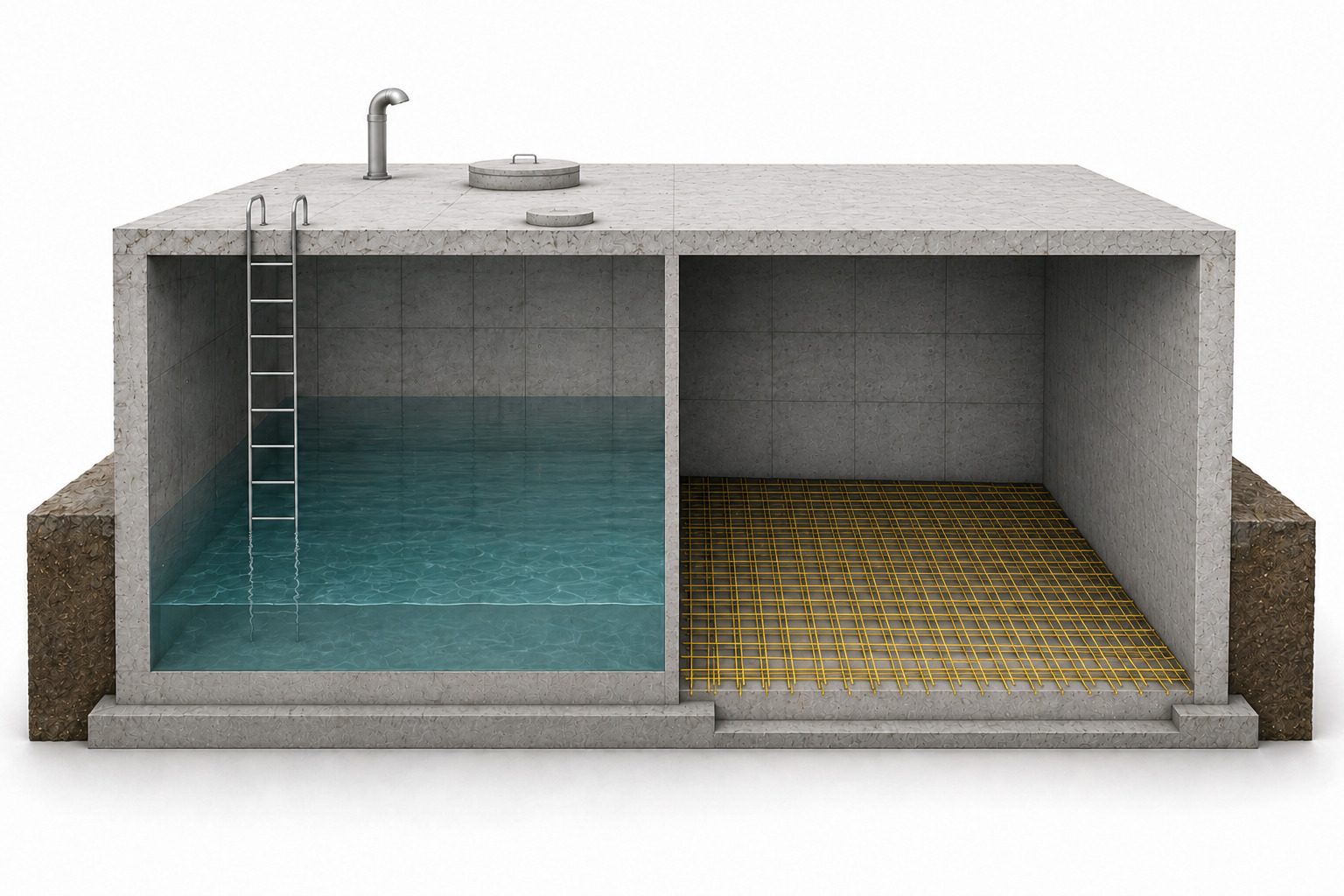
An underground water tank must hold structural load from surrounding soil, resist hydrostatic pressure from stored water, and survive decades of moisture exposure — all without access for inspection or repair.
Corrosion resistance
GFRP bars do not rust. Ever. Permanent water contact is not a threat to their structural integrity.

Chemical inertness
GFRP is unaffected by groundwater chlorides, sulphates, or chemicals in stored water, common failure triggers for steel in underground water storage tanks.

High tensile strength
approximately 2× that of steel, handling soil pressure and hydrostatic loads without compromise.

Non-conductive
no electrical risk near water systems, pumps, or sensors installed in the tank.

Lightweight
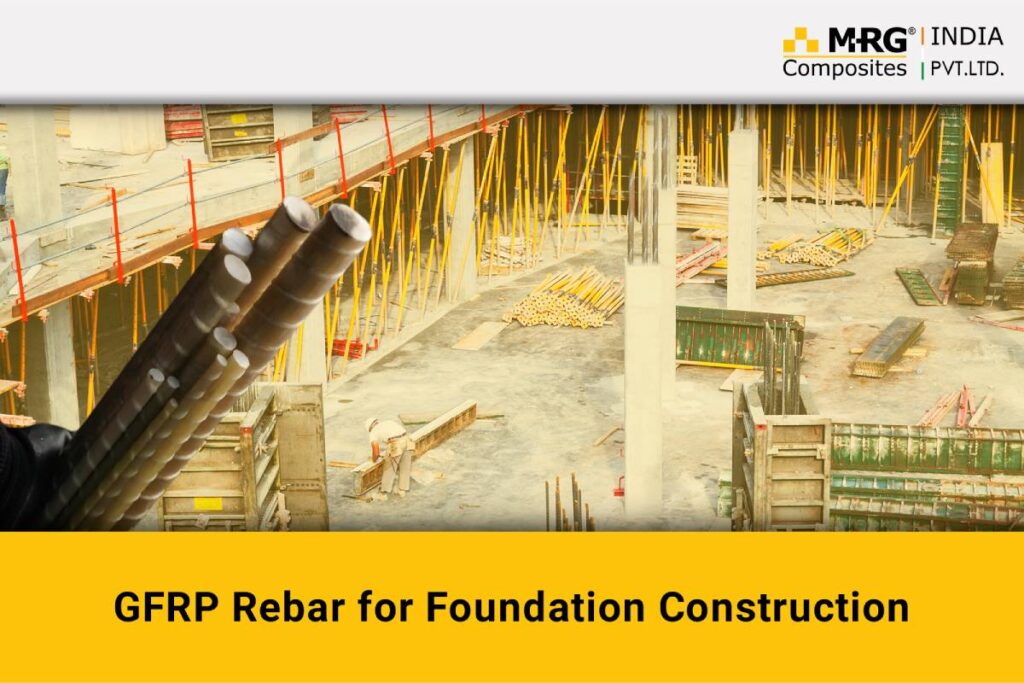
at ¼ the weight of steel, GFRP rebars are easier to lower into excavations and position within tank formwork.
Water Tank Types Where GFRP is Most Relevant
GFRP rebar is the right reinforcement choice across all underground water tank types:
Drinking water storage tanks
no rust leaching, water stays uncontaminated

Rainwater harvesting tanks
constant fill-and-drain cycles with no corrosion risk

Irrigation and agricultural water storage
soil chemical exposure managed without maintenance

Fire suppression tanks
structural reliability over decades with zero corrosion degradation

Industrial water storage tanks
chemical resistance handles aggressive stored liquids
GFRP Vs. Steel Rebar
| Property | Steel Rebar | GFRP Rebar |
|---|---|---|
| Corrosion resistance | Corrodes in moisture and chemicals | None — fully corrosion proof |
| Tensile strength | ~500 MPa | ~1000 MPa |
| Weight | ~7.8 g/cm³ | ~2.1 g/cm³ |
| Electrical conductivity | Conductive | Non-conductive |
| Water contamination risk | Rust leaching into stored water | Zero |
| Lifespan in wet environments | 10–20 years | 50+ years |
| Maintenance cost | High | Low |
| Upfront cost | Lower | Slightly higher |
Our Certifications & Quality Standards

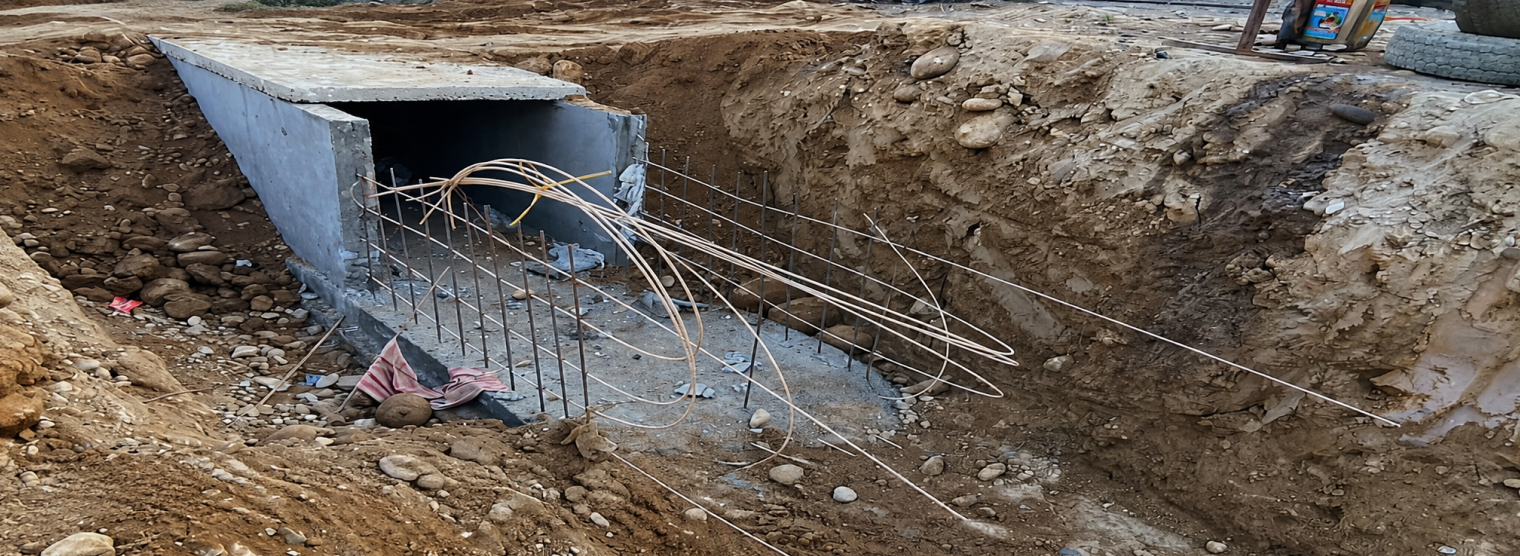
IS : 18256 : 2023 Certificate
Our GFRP Rebars are manufactured in compliance with IS 18256:2023, ensuring high standards of strength, durability, and performance for use in structural and infrastructure applications.

ISO 9001:2015
certified quality management across production

Make in India
Ready to specify GFRP for your underground water tank project?
Get A QuoteWhat Our Clients Say
99.9% Customer Satisfaction
based on 750+ reviews and 6,154 Completed Projects.

Working with MRG Composites Rebar was a game-changer for us. Their expertise and dedication helped us achieve our goals faster than we ever imagined

MRG Composites Rebar truly understands our needs. Their personalized approach and attention to detail made all the difference in our project's success.

We've been consistently impressed with MRG Composites Rebar's innovative solutions and proactive approach. They've become a trusted partner in our growth journey.

MRG Composites Rebar has transformed our projects with its durable and corrosion-resistant quality. Their timely delivery and support are excellent.

MRG’s GFRP rebar is cost-effective and durable, even in tough UAE conditions. Their professionalism is impressive.

Working with MRG was easy and efficient. Their GFRP rebar is strong, durable, and a great alternative to steel.

MRG Composites' GFRP rebar made a remarkable difference in our project. Lightweight yet strong, it sped up installation effortlessly.
Have Questions?We've Got Answers

Get In Touch
Get a quote for your road or highway construction project. Share your project location, slab dimensions, and rebar diameter requirements — we will respond with a GFRP rebar price and technical data sheet for your engineering team.
We'd Love to Hear From You
We’d love to hear from you