
















Menu

    India's 1st BIS License No CM/L-7600217414 GFRP Rebar

    MRG Composites is the leading GFRP Rebar manufacturer in India and supplies East Africa, the UAE, and Worldwide. ISO, ASTM, and BIS Certified, ensuring World-Class Quality and Global Compliance Standards.

      the problem • the problem • the problem •

      Why Traditional Reinforcement Falls Short

      Conventional steel reinforcement is vulnerable to corrosion, chemical exposure, and environmental degradation—leading to structural damage, increased maintenance, and reduced service life. In critical applications, these limitations compromise both performance and long-term reliability.

      the solution • the solution • the solution •

      Reinforcement, Re-Engineered

      MRG GFRP Rebars replace steel with a high-performance composite solution that eliminates corrosion and significantly extends structural lifespan. Designed for demanding environments, they offer consistent performance where traditional materials fail.

      What is GFRP Rebar?
      THE PROBLEM

      What is GFRP Rebar?

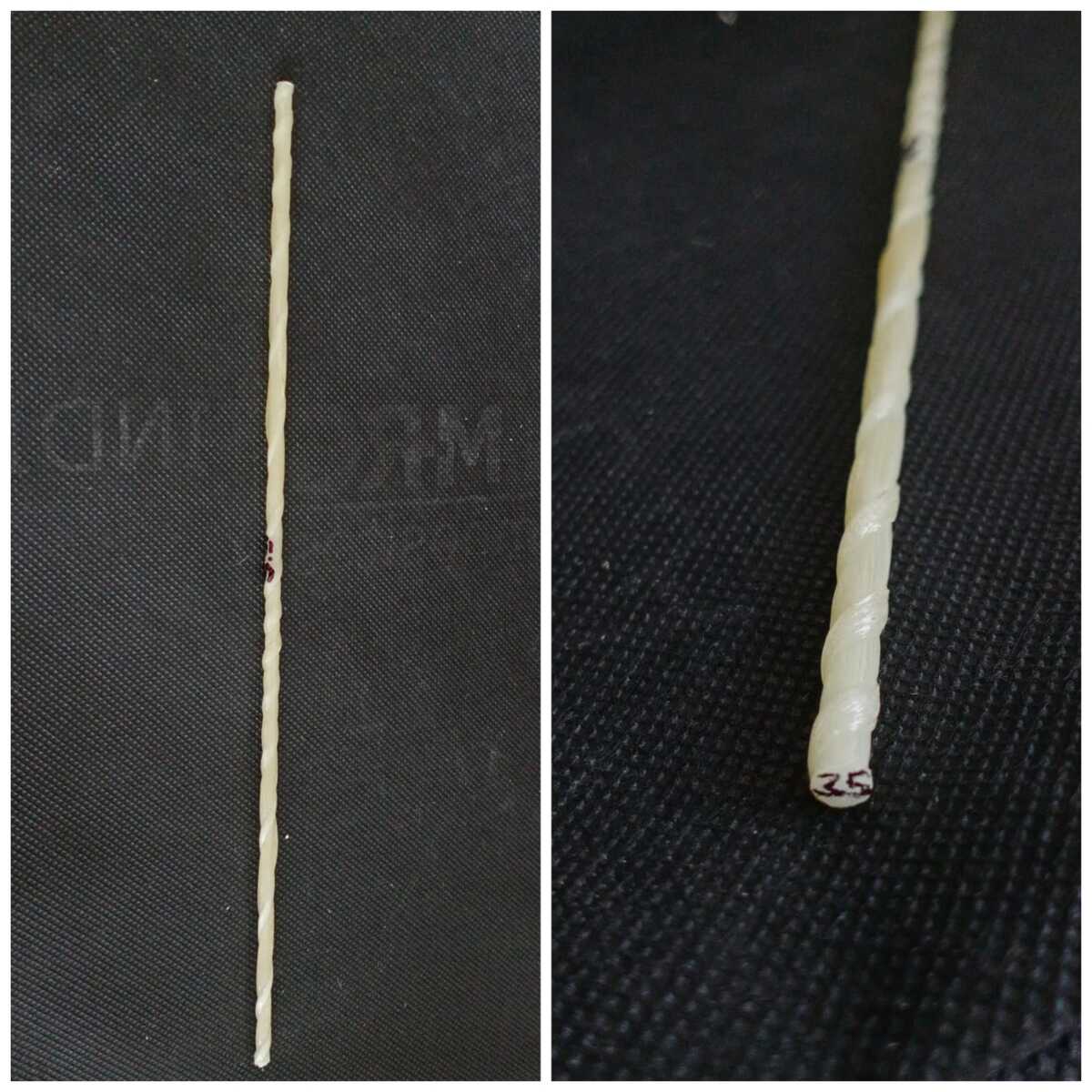
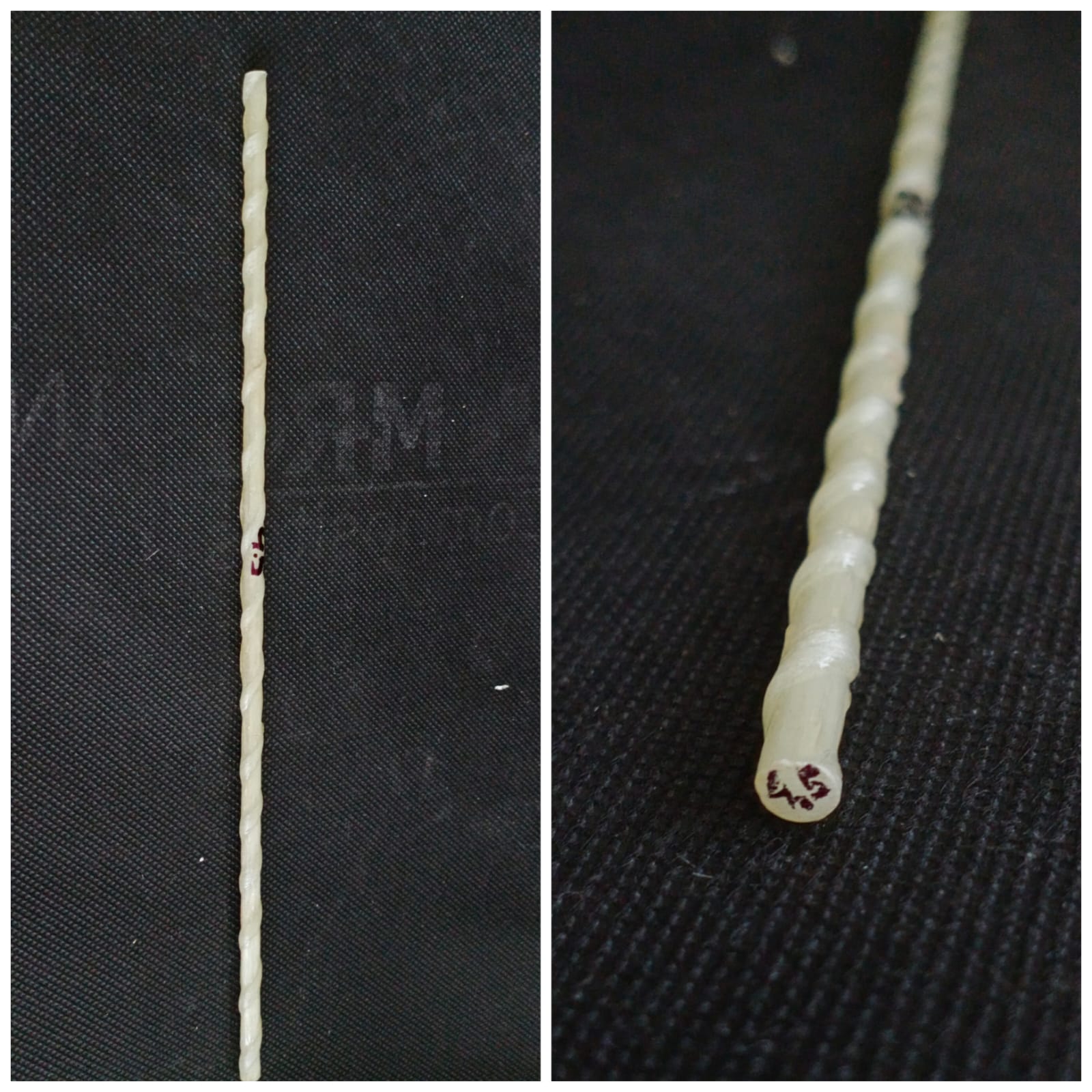
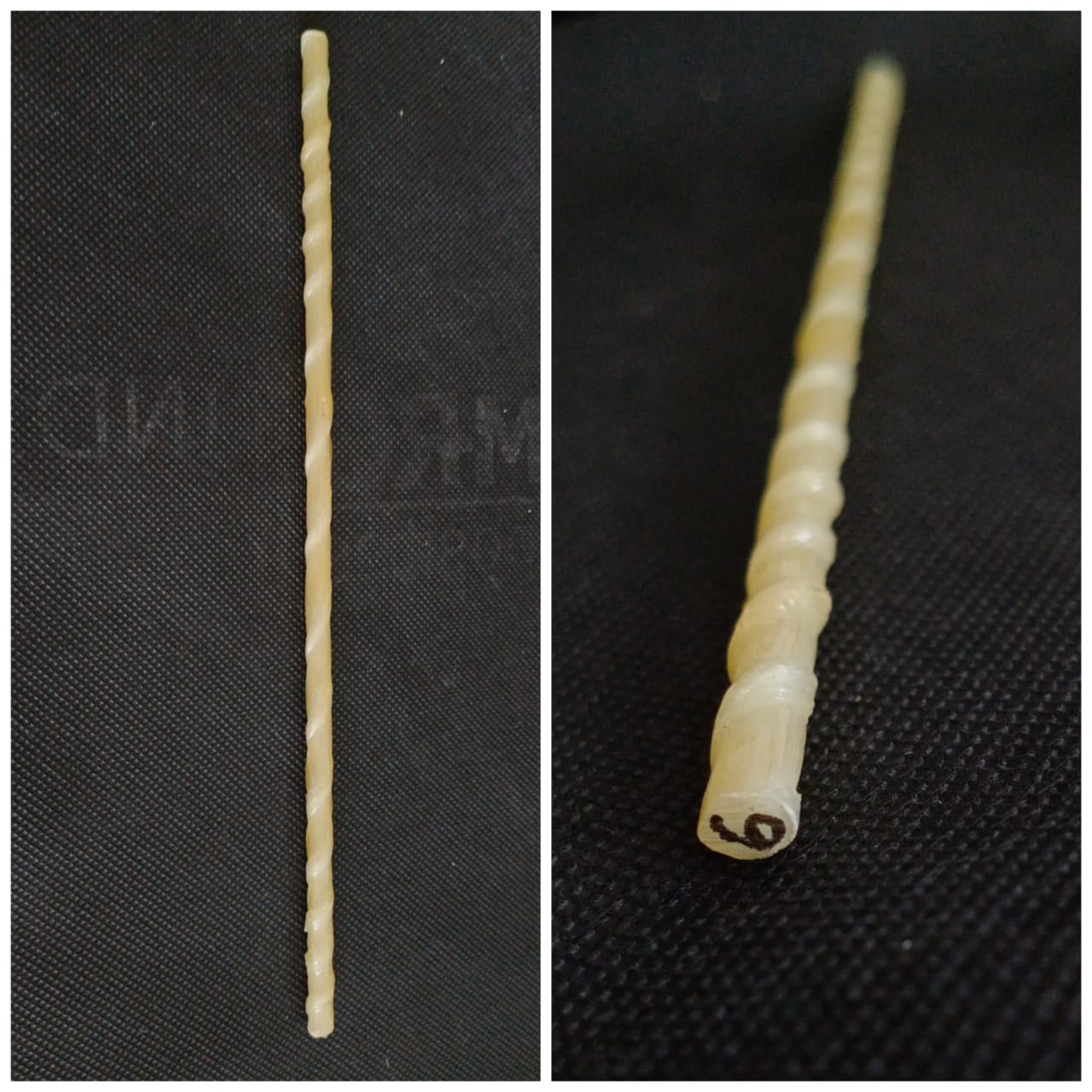
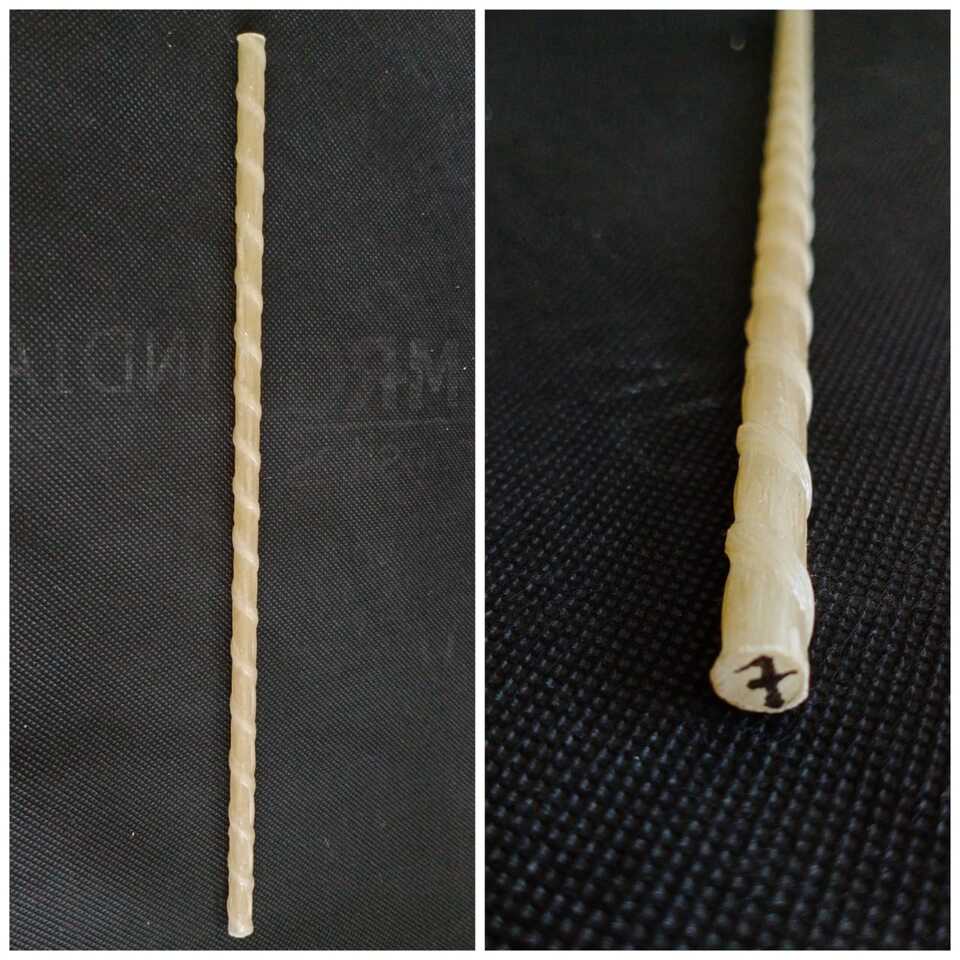
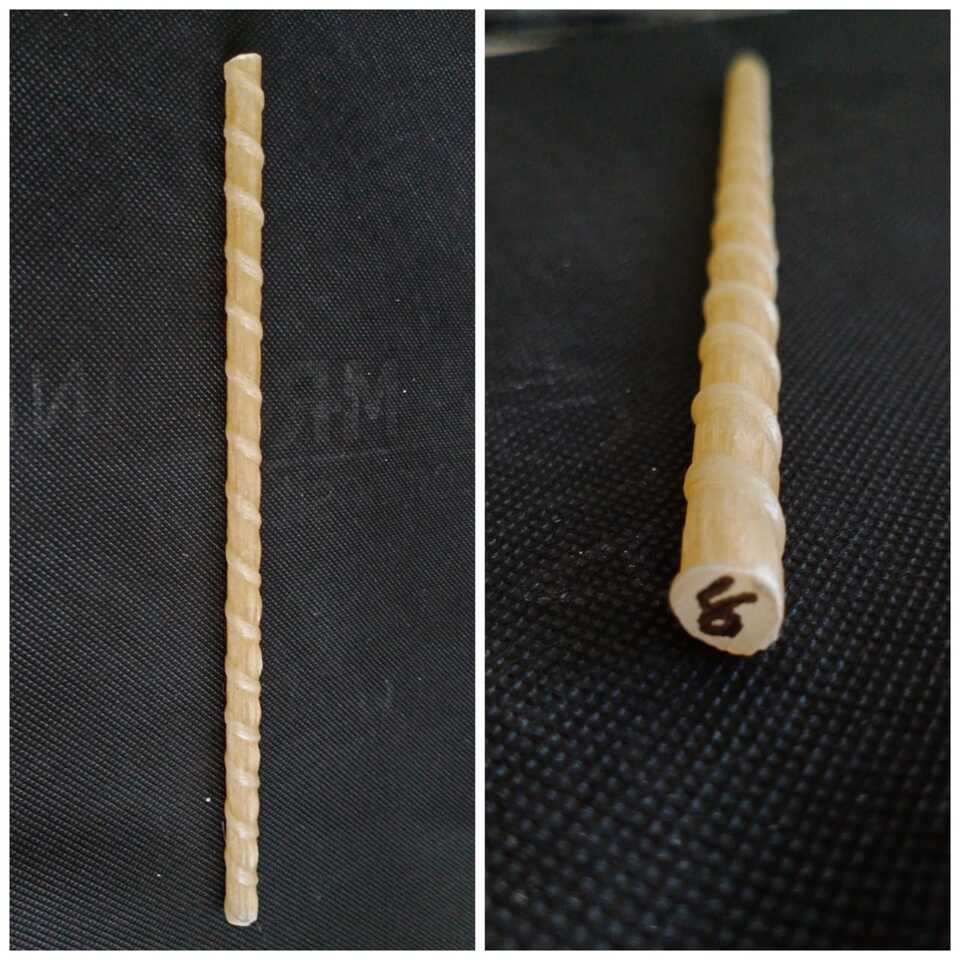
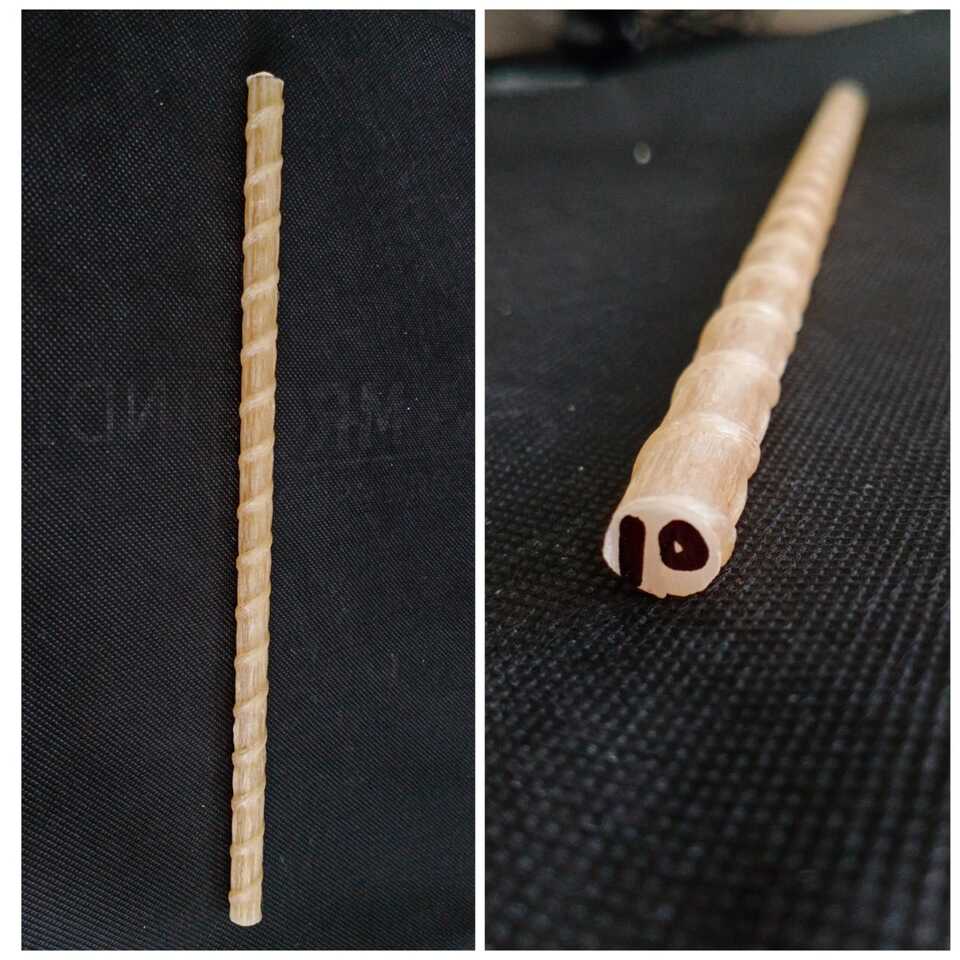
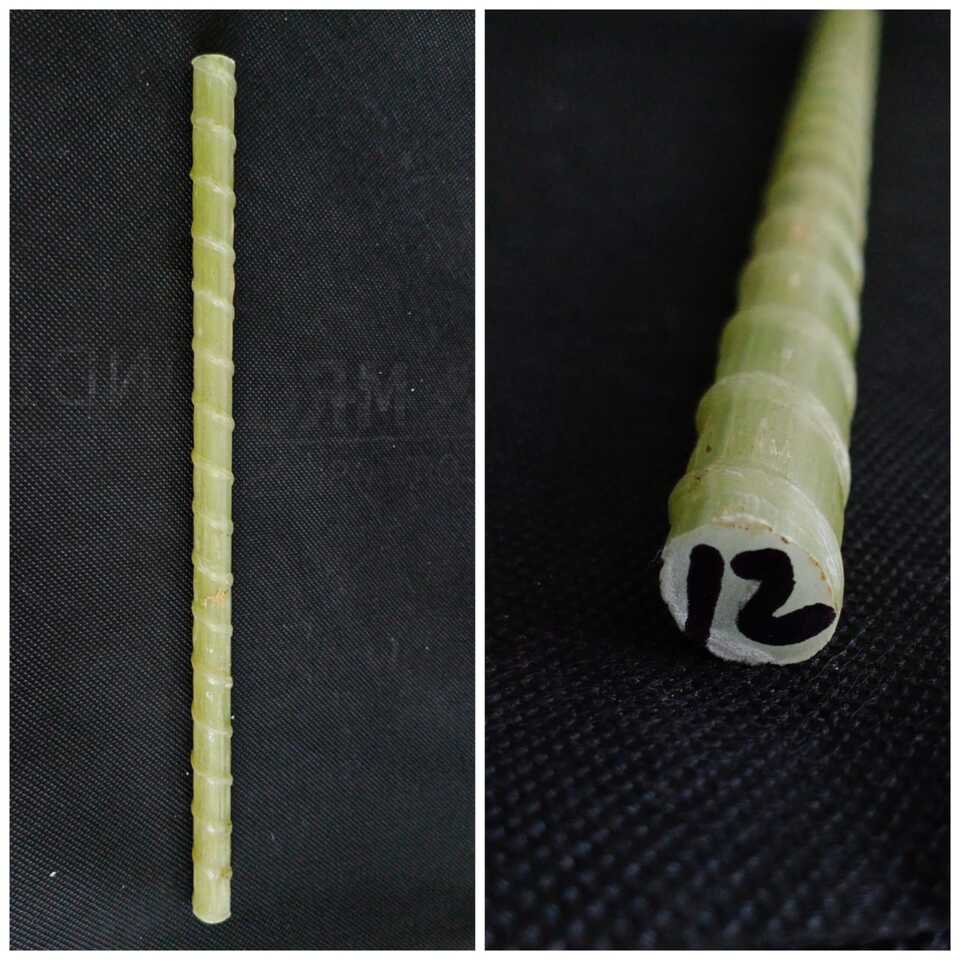
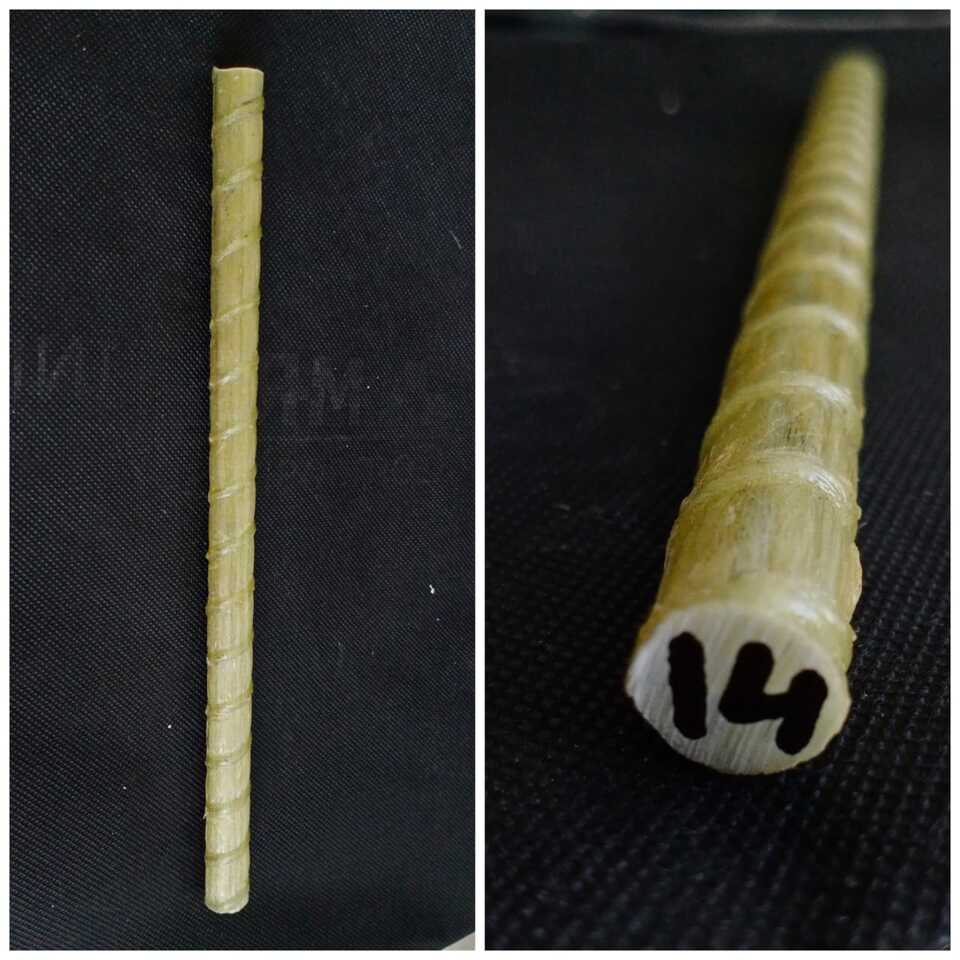
      GFRP Rebar stands for Glass Fibre Reinforced Polymer. It is a composite rebar, which is a modern building material substituting the traditional metal rebars. GFRP bars consist of fibres of glass set in a resin matrix to form a rebar rod.

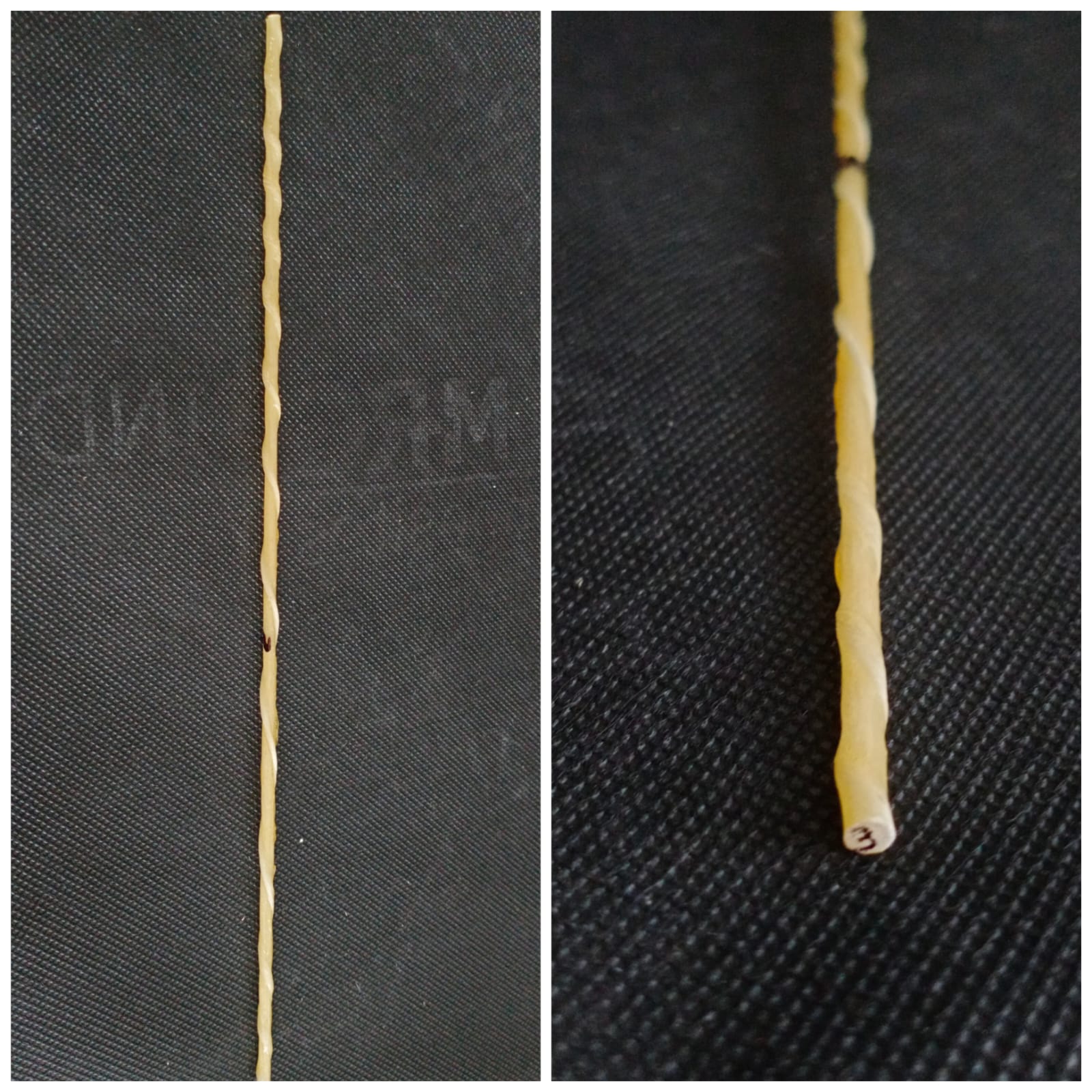
      Glass Fibre Reinforced Polymer is intended for reinforcing concrete structures, which provides much more durability with its excellent properties, in which the rod has a spiral wound helix extending above the core.

      GFRP Rebar is corrosion-resistant, two times stronger, 4x lighter than steel rebar, non-conductive, durable, and a cost-effective construction material.

      GFRP Rebar comes in various properties. Engineers use Glass Fibre Reinforced Polymer rebar in bridges, roads & highways, marine structures, tunnels, foundations, retaining walls, and other construction projects that need long-term strength and durability.

      0 +
      Year Service Life
      0 +
      Projects Completed
      0 %
      Corrosion- Resistant

      Advantages of GFRP Rebar

      Corrosion Resistant

      Corrosion Resistant

      GFRP Rebar does not rust and corrode like steel rebar. GFRP bars are an ideal choice where rebar will be exposed to water, salt water and chemicals.

      Stronger

      Stronger

      Glass Fibre Reinforced Polymer is two times stronger than traditional steel rebars. GFRP rebar makes the construction stronger with its high tensile strength.

      Lighter

      Lighter

      GFRP Rebar is ¼ lighter than traditional steel reinforcement bars; it is easy to handle and transport. GFRP bars are an ideal choice where weight is a major concern. It can handle more stress at low weight.

      Cost-effective

      Cost-effective

      GFRP bars are a durable construction material. It increases the lifespan of construction and minimises maintenance and replacement costs. The transportation of GFRP bars is also less, and the installation of GFRP Rebar is easy. It saves labour costs.

      Durable

      Durable

      GFRP bars are durable construction materials. GFRP Rebar can withstand moisture, salts, and chemicals. It increases the durability of construction.

      Non-Magnetic

      Non-Magnetic

      GFRP rebar does not conduct electricity or magnetism. This makes it a good choice for buildings where electromagnetic interference needs to be kept low, such as hospitals or data centres.

      Enhanced Seismic Performance

      Enhanced Seismic Performance

      GFRP rebars offer superior flexibility and tensile strength, allowing structures to better absorb seismic energy. This reduces the risk of cracks and structural failure during earthquakes.

      Improved Structural Performance

      Improved Structural Performance

      GFRP rebars deliver high tensile strength while being lightweight, improving load distribution and reducing overall structural stress.

      Thermal Conductivity

      Thermal Conductivity

      GFRP rebar has low thermal conductivity, which reduces the risk of thermal expansion and contraction, mitigating the potential for cracking and spalling in the base slab.

      Mrg Gfrp Vs. Metal Rebars: Mechanical Properties

      PROPERTIES METAL REBARS MRG GFRP REBARS
      Tensile strength (Mpa or N/mm²) 500-600 1000+
      Shear strength 120 ≥152
      Bond strength (Mpa or N/mm²) 14 211
      Compression (Mpa or N/mm²) 500 450
      Modulus of elasticity (Gpa) 160-200 ≥50
      Elongation (%) 25 ≥1.5
      Durability Terms are prescribed in special building codes 80 years +
      Density (Ton/m³) 7.8 1.9
      Corrosion resistance to aggressive environment Appearance of rust Stainless material preserving properties even in alkaline concrete environment
      Ecological compatibility Ecologically friendly material Does not emit harmful and toxic substances during storage and use
      Electrical conductivity Electrically conductive material Dielectric

      NOTE:

      1. "G" represents the nominal diameter of the bar in accordance with BIS specifications.
      2. Weight of individual bars may vary within an allowable tolerance of ±2%.

      Table Of Substitution By Tensile Strength

      MRG GFRP REBARS

      Diameter Weight (Per 12 meter bar)
      3 0.204
      3.5 0.276
      G4 0.360
      5 0.528
      G6 0.780
      7 0.900
      G8 1.356
      G10 2.040
      G12 2.880
      14 3.240
      G16 5.124
      18 6.276
      G20 8.076
      22 9.804
      G25 11.676
      G32 16.320

      METAL REBARS

      Diameter Weight (Per 12 meter bar)
      - -
      - -
      06 mm 2.75 kg
      - -
      08 mm 4.74 kg
      10 mm 7.40 kg
      12 mm 10.65 kg
      14 mm 14.52 kg
      16 mm 18.93 kg
      18 mm 24.00 kg
      22 mm 35.76 kg
      25 mm 46.22 kg
      28 mm 58.02 kg
      32 mm 75.79 kg
      40 mm 118.52 kg
      - -

      NOTE:

      1. "G" represents the nominal diameter of the bar in accordance with BIS specifications.
      2. Weight of individual bars may vary within an allowable tolerance of ±2%.

      Applications

      Base Slab And  Industrial Floors

      Base Slab And Industrial Floors

      RCC Roads

      RCC Roads

      Foundation

      Foundation

      Swimming Pools

      Swimming Pools

      Drainage

      Drainage

      Underground  water tanks

      Underground water tanks

      Precast

      Precast

      Bridge decks

      Bridge decks

      MRG Composites

      Bent GFRP Rebar is glass fiber reinforced polymer shaped into hooks, angles, or curves for specific construction needs. GFRP Bent Rebar consists of Glass fibre and polymer resin.

      With over 18 years of expertise, we are the pioneers of GFRP rebars in India, being the first to introduce them for commercial use. We also offer highly competitive GFRP Rebar Prices in India and worldwide, giving contractors a smarter way to reduce project costs while ensuring long-lasting quality and performance.

      MRG works closely with government bodies such as BIS, NHAI, IRC, and MoRTH, and has contributed to the formation of Indian standards, including IS 18256:2023, IS 18256:2023, and ISO 10407-2003. In 2022, MRG achieved a key milestone by securing multiple NHAI projects, reinforcing our leadership in India’s infrastructure growth.

      MRG Composites

        Attributes Of MRG GFRP Rebars

        Corrosion Free Application
        Nonconductive / Nonmagnetic applications:
        High chemical resistance & industrial applications
        Other Applications
        • Marine precast walls
        • Pipe sleepers / railways sleepers
        • Bridge decks & approach slabs
        • Roads and infrastructure
        • MSE walls
        • Warehouse/industrial floorings
        • Building foundations, basements, retaining walls, compound walls
        • Coastal regions, parking lots, swimming pools
        • Underwater structures
        • RCC Roads
        • Hospitals
        • Airport compass calibration pads
        • Power plants and transformer sites
        • Light rails
        • Industrial applications
        • Sewage treatment plants
        • Agricultural facilities
        • Industrial facilities
        • Chemical plants
        • ETP plants
        • Culverts
        • Storm water drain channels
        • Energy efficient buildings
        • Cold storage warehouses
        AVAILABLE SIZES

        GFRP Rebar Sizes

        GFRP Rebar 3 MM
        3 MM
        GFRP Rebar 3.5 MM
        3.5 MM
        GFRP Rebar 4.5 MM
        4.5 MM
        GFRP Rebar 6 MM
        6 MM
        GFRP Rebar 7 MM
        7 MM
        GFRP Rebar 8 MM
        8 MM
        GFRP Rebar 10 MM
        10 MM
        GFRP Rebar 12 MM
        12 MM
        GFRP Rebar 14 MM
        14 MM
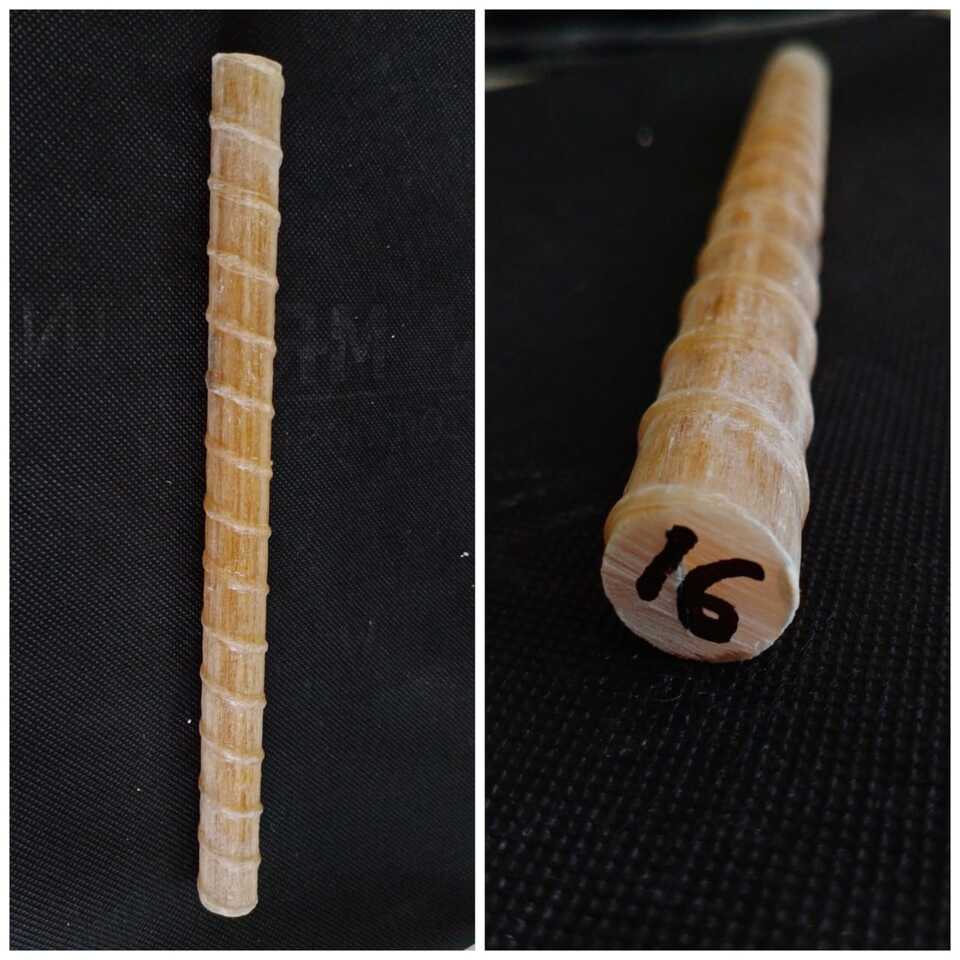
        GFRP Rebar 16 MM
        16 MM
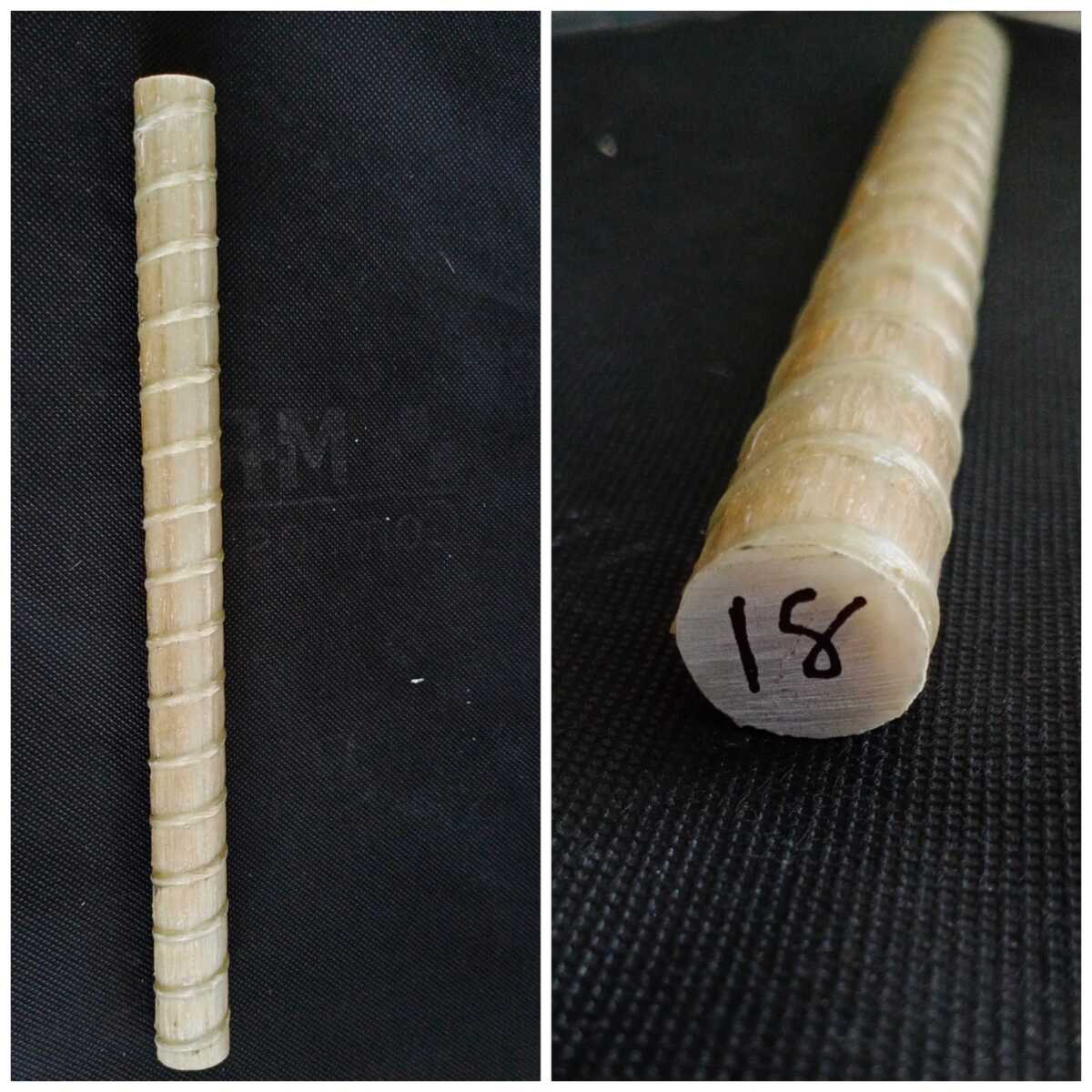
        GFRP Rebar 18 MM
        18 MM
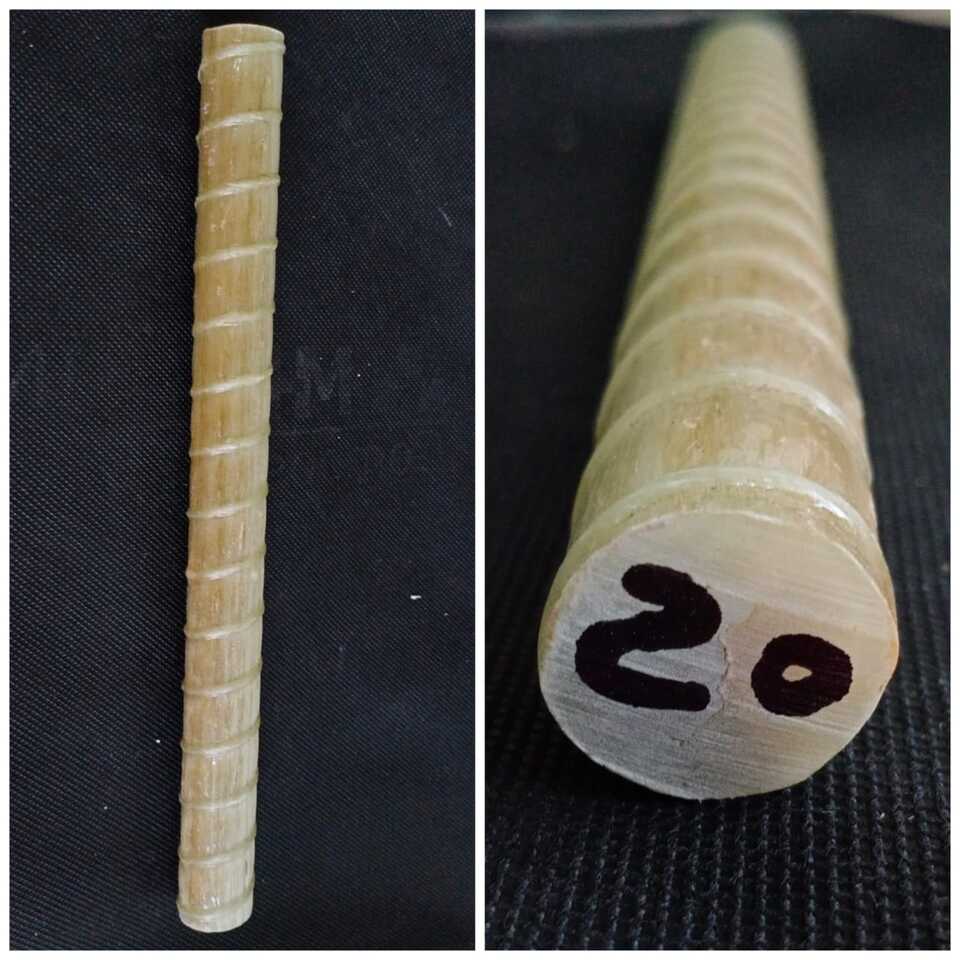
        GFRP Rebar 20 MM
        20 MM
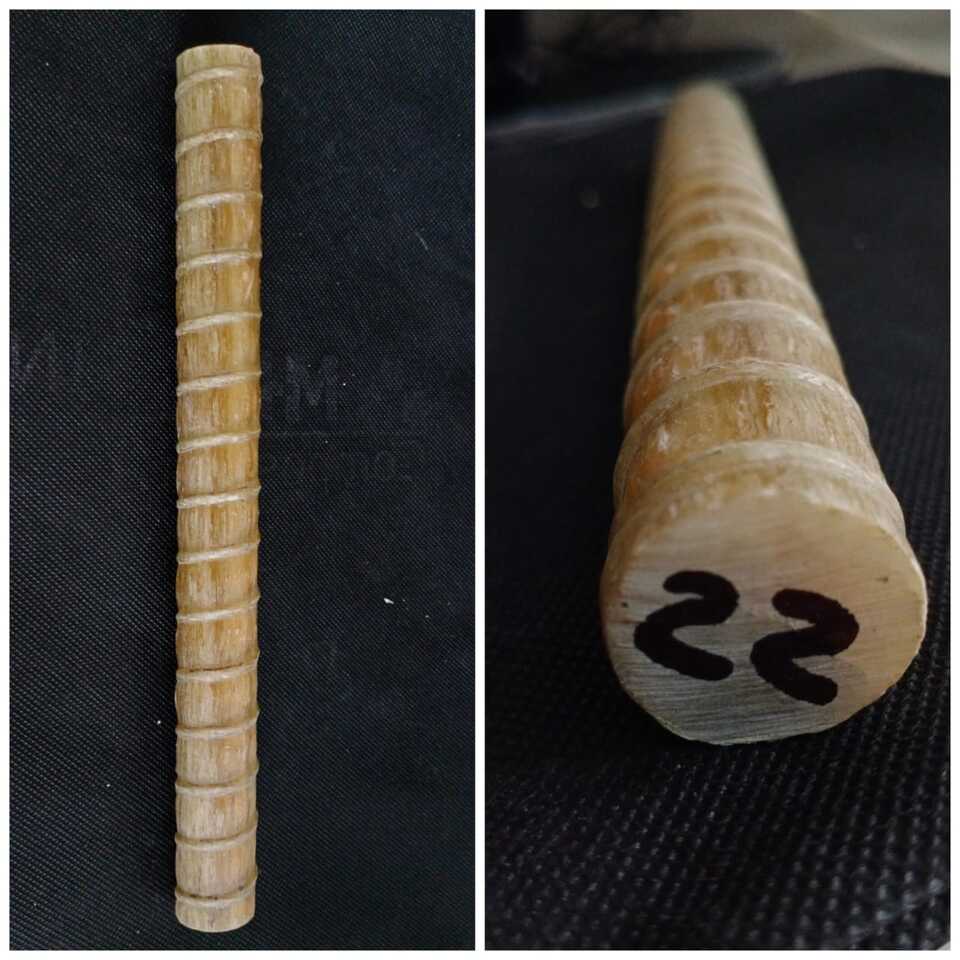
        GFRP Rebar 22 MM
        22 MM

        Our Certifications & Quality Standards

        IS : 18256 : 2023 Certificate

        IS : 18256 : 2023 Certificate

        Our GFRP Rebars are manufactured in compliance with IS 18256:2023, ensuring high standards of strength, durability, and performance for use in structural and infrastructure applications.

        ISO 9001:2015 Certificate

        ISO 9001:2015 Certificate

        We are certified under ISO 9001:2015, reflecting our commitment to consistent quality, efficient processes, and continuous improvement across our manufacturing and customer service operations.

          Standards

          Standards & Design Guides Of Gfrp Rebars In India & Across The Globe

          India India
          +

          IS 18255: 2023

          Fibre-Reinforced Polymer (FRP) Rebars for Concrete Reinforcement – Methods of Test.

          IS 18256: 2023

          Solid round Glass Fibre Reinforced Polymer (GFRP) Rebars for Concrete Reinforcement – Specification.

          IRC: 137 - 2022

          Guidelines on use of fibre-reinforced polymer bards in road projects.

          Canada Canada
          +

          CAN/CSA-S807-10

          “Specifications for Fiber Reinforced Polymers

          CAN/CSA-S806-12

          "Design and Construction of Building Components with Fiber-Reinforced Polymers"

          CAN/CSA-S6-06 (2006)

          Fiber-Reinforced Structures, “Canadian Highway Bridge Design Code”, pp.693-728.

          CSA CAN/CSA-S6-06 (2006)

          “Canadian Highway Bridge Design Code.” Standards Council of Canada.

          USA USA
          +

          ACI 440. 1R-06 (2006)

          “Guide for the design and construction of structural concrete reinforced with FRP Rebars”, American Concrete Institute

          ACI 440. 3R-04 (2004)

          “Guide for test methods for Fiber Reinforced Polymers (FRP) for Reinforcing or Strengthening Concrete Structures.

          ACI 440R-07 (2007)

          “Report on Fiber-Reinforced Polymer (FRP) Reinforcement for Concrete Structures,” ACI Committee 440.

          ACI 440.1-15 (2015)

          “Guide for the Design and Construction of Structural Concrete Reinforced with Fiber- Reinforced Polymer Bars,” ACI Committee 440.

          ACI 440.3R-12 (2012)

          “Guide Test Methods for Fiber-Reinforced Polymers (FRPs) for Reinforcing or Strengthening Concrete Structures,” ACI Committee 440.

          ACI 440.6M-08 (2017)

          “Specification for Carbon and Glass Fiber-Reinforced Polymer Bar Materials for Concrete Reinforcement”, ACI Committee 440

          ACI 440.5-18 (2018)

          “Specification for Construction with Fiber-Reinforced Polymer Reinforcing Bars,” ACI Committee 440.

          AASHTO GFRP-1 (2009)

          AASHTO LFRD Bridge Design Guide Specifications for GFRP – Reinforced concrete Bridge Decks and Traffic Railings”, American Association of State Highway and Transportation Officials.

          FHWA-HRT-05-081 (2005)

          “Design of Continuously Reinforced Concrete Pavements using Glass Fiber Reinforced Polymer Rebars.” Federal Highway Administration, US Department of Transportation.

          FDOT (2021),

          “Florida Department of Transportation Standard Specifications for Road and Bridge Construction.” Florida Department of Transportation.

          AASHTO (2018),

          “LRFD Bridge Design Guide Specifications for GFRP Reinforced Concrete,” American Association of State Highway and Transportation Officials.

          Japan Japan
          +

          JSCE Series 23

          “Recommendation for Design and construction of Concrete structures using continuous Fiber Reinforced Material”.

          JBDPA Design Manual (2009)

          “Japanese Design and Construction Guidelines for Seismic Retrofit of Building Structure with FRP composites.”

          Germany Germany
          +

          DIN1045-1

          “EN-Concrete Reinforced and Pre-stressed Concrete Structures – part 1: Design and Construction.”

          Switzerland Switzerland
          +

          Fib Bulletin No.40 (2007)

          “FRP Reinforcement in RC Structures"

          Australia Australia
          +

          Transport for NSW (2020)

          “Technical Guide Design of Continuously Reinforced Concrete Pavement using Glass Fibre Reinforced Polymer (GFRP) Bars at Traffic Loop Locations,” Document Number P-G-008, New South Wales Government, Australia.

          Europe Europe
          +

          Europe

          EN-13706 (EUROPE)

          Italy Italy
          +

          CNR-DT 203 & CNR-DT 205 (ITALY)

          Russia Russia
          +

          GOST 9.071-76 (RUSSIA)

          Others Others
          +

          ASTM D570-98 (2018)

          “Standard Test Method for Water Absorption of Plastics,” ASTM International.

          ASTM D578/D578M-18 (2018)

          “Standard Specification for Glass Fiber Strands,” ASTM International.

          ASTM D792-20 (2020)

          “Standard Test Methods for Density and Specific Gravity (Relative Density) of Plastics by Displacement,” ASTM International.

          ASTM D2584-18 (2018)

          “Standard Test Method for Ignition Loss of Cured Reinforced Resins,” ASTM International.

          ASTM D3171-15 (2015)

          “Standard Test Methods for Constituent Content of Composite Materials,” ASTM International.

          ASTM D7205/D7205M-21 (2021)

          “Standard Test Methods for Tensile Properties of Fiber-Reinforced Polymer Matrix Composite Bars,” ASTM International.

          ASTM D7617/D7617M-11 (2017)

          “Standard Test Method for Transverse Shear Strength of Fiber-reinforced Polymer Matrix Composite Bars,” ASTM International.

          ASTM D7705/D7705M-12 (2019)

          “Standard Test Method for Alkali Resistance of Fiber Reinforced Polymer (FRP) Matrix Composite Bars used in Concrete Construction,” ASTM International.

          ASTM D7913/D7913M-14 (2020)

          “Standard Test Method for Bond Strength of Fiber-Reinforced Polymer Matrix Composite Bars to Concrete by Pullout Testing” ASTM International.

          ASTM D7957/D7957M-17 (2017)

          “Standard Specification for Solid Round Glass Fiber Reinforced Polymer Bars for Concrete Reinforcement” ASTM International.

          ASTM E1356-08 (2014)

          “Standard Test Method for Assignment of the Glass Transition Temperatures by Differential Scanning Calorimetry.” ASTM International.

          ASTM E2160-04 (2018)

          “Standard Test Method for Heat of Reaction of Thermally Reactive Materials by Differential Scanning Calorimetry.” ASTM International.

          Have Questions?We've Got Answers

          Global Reach Map

          Get In Touch

          Looking for high-strength, corrosion-resistant GFRP rebar for your construction or infrastructure project? Share your requirements and our manufacturing team will provide a tailored quote and technical guidance.

          • Call Us Today: +919659859896
          • Email Specialists: india@mrg-composites.com
          • Global Headquarters:

            Office No 601, Twin Star South Block, Near Nanamava Circle, 150 Feet Ring Road, Rajkot – 360004

          We'd Love to Hear From You

            Latest News & Articles

            We'd Love to Hear From You

            Send us a message and our specialists will respond within 24 hours.